
A motorcycle intercom that crackles at 80 km/h or whose sound becomes inaudible on the highway, we all know the situation. The problem doesn’t always stem from the chosen model. In most cases, it’s a poorly utilized software setting, an approximate positioning of the speakers, or outdated firmware that limits performance. Here are seven concrete levers to get the most out of your intercom without necessarily buying new equipment.
1. Reposition the speakers in the helmet to gain volume
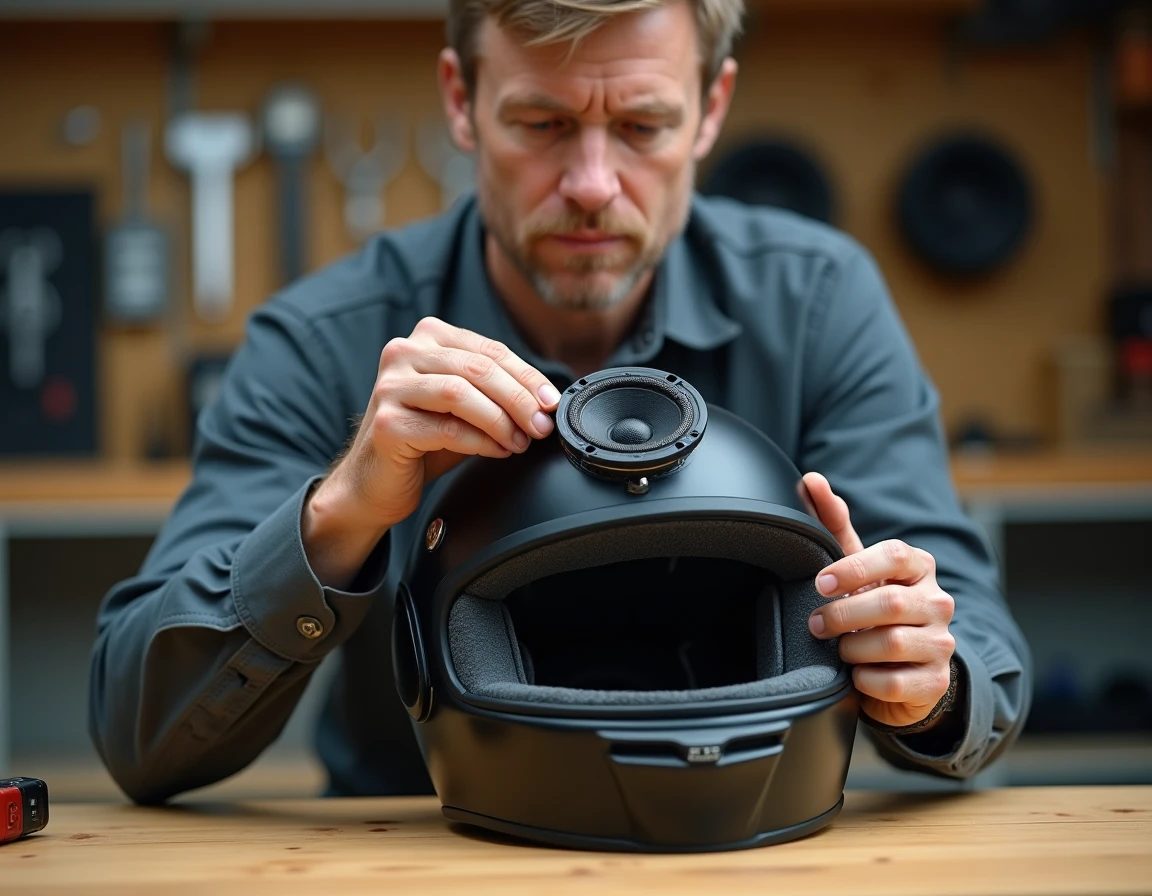
We often underestimate how much a few millimeters of misalignment between the speaker and the ear degrades sound quality. Feedback from motorcyclists on specialized forums converges: the position of the speakers is the primary cause of perceived low sound. Before adjusting settings, remove the cheek pads and check the alignment.
The method is simple. Put on the helmet with the speakers not fixed, held by hand against your ears. Play some music, then move each speaker until you find the point where the volume and bass are the clearest. Mark this position and secure it with the provided mounts or thin Velcro.
On some modular helmets, the cavities designed for the speakers are too deep. You can add a thin foam behind the speaker to bring it closer to the ear. This mechanical detail can sometimes make as much difference as a complete audio kit change.
2. Update the firmware to unlock the latest audio optimizations

Since 2023, manufacturers have released software updates that significantly improve audio range and stability without changing hardware. At Sena, the Mesh 2.0 and then Mesh 3.0 versions have enhanced group communication. At Cardo, the Dynamic Mesh Communication Gen 2 has brought comparable gains. These developments also incorporate newer noise reduction algorithms.
Many motorcyclists are still riding with firmware from the time of purchase. The procedure takes a few minutes via the manufacturer’s mobile app or a USB cable. Additionally, several tips for a more powerful intercom specifically involve utilizing options unlocked by these updates, such as the advanced audio equalizer or adjustable VOX mode.
3. Activate the mesh protocol instead of classic Bluetooth in groups

When riding in a group, many stick to point-to-point Bluetooth pairing out of habit. The mesh protocol changes the game: each intercom becomes a relay, extending the overall range of the group and stabilizing the connection when a motorcyclist temporarily moves away.
The mesh maintains communication even if a link leaves the chain. In classic Bluetooth, if the second of a line of four disconnects, both ends lose contact. In mesh, the signal reroutes automatically. For outings with more than three motorcycles, this is a significant comfort gain.
4. Adjust the microphone sensitivity and VOX trigger threshold

The VOX mode (voice activation) is convenient, but its default threshold is rarely suited to actual cruising speed. If it’s too sensitive, it picks up wind noise and saturates communication. If not sensitive enough, you have to shout to trigger transmission.
The adjustment is made in the manufacturer’s app or directly on the device. It’s recommended to test on the road, not at a standstill:
- Ride at your usual speed and ask your interlocutor to assess clarity
- Increase sensitivity one notch if your voice is cut off at the beginning of a sentence
- Lower it if background noise continues during silences
Feedback varies on this point depending on the type of helmet (full-face, modular, open), as sound insulation radically changes microphone behavior.
5. Choose a model compatible with Bluetooth 5.2 for range and battery life

If your intercom is a few years old, it probably runs on Bluetooth 4.x or 5.0. Recent models utilizing Bluetooth 5.2 with the LE Audio profile and LC3 codec offer better range, reduced latency, and lower battery consumption. This is the only point on this list that involves a hardware investment, but the gain is measurable.
The LC3 codec compresses the audio signal more efficiently than the SBC used by previous generations. In practice, the voice remains intelligible at distances where an older model would already drop out. For those who listen to music while riding, the difference in sound quality is also noticeable.
6. Install an aftermarket speaker kit suitable for your helmet
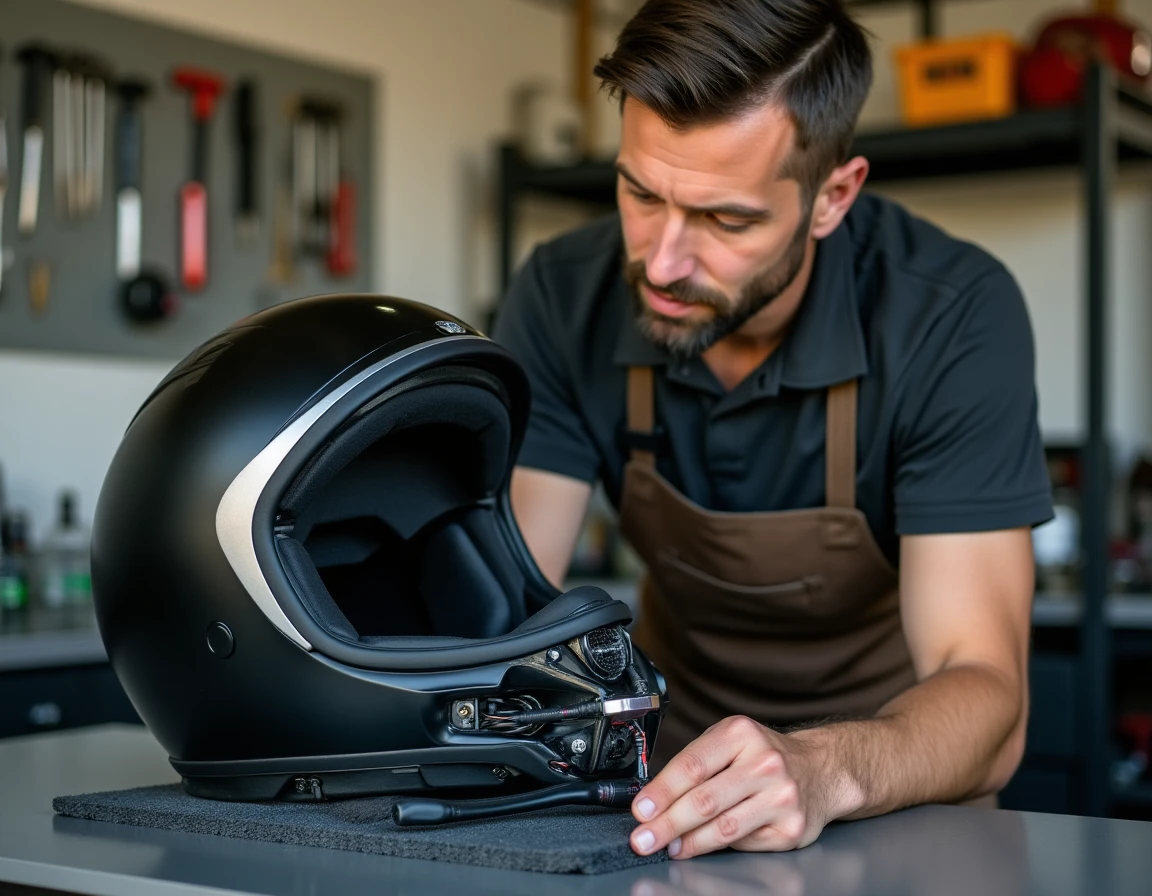
The speakers supplied with the intercom are a compromise of size and cost. Several manufacturers offer replacement kits with larger or thinner transducers depending on the available space in your helmet. A larger diameter speaker reproduces bass better and provides a richer volume sensation without pushing the level.
Before purchasing, measure the depth of your helmet’s cavities. A speaker that is too thick creates a pressure point on the ear and becomes uncomfortable after an hour of riding. Kits with integrated pads often solve this problem.
7. Add a wind deflector or chin skirt to reduce background noise
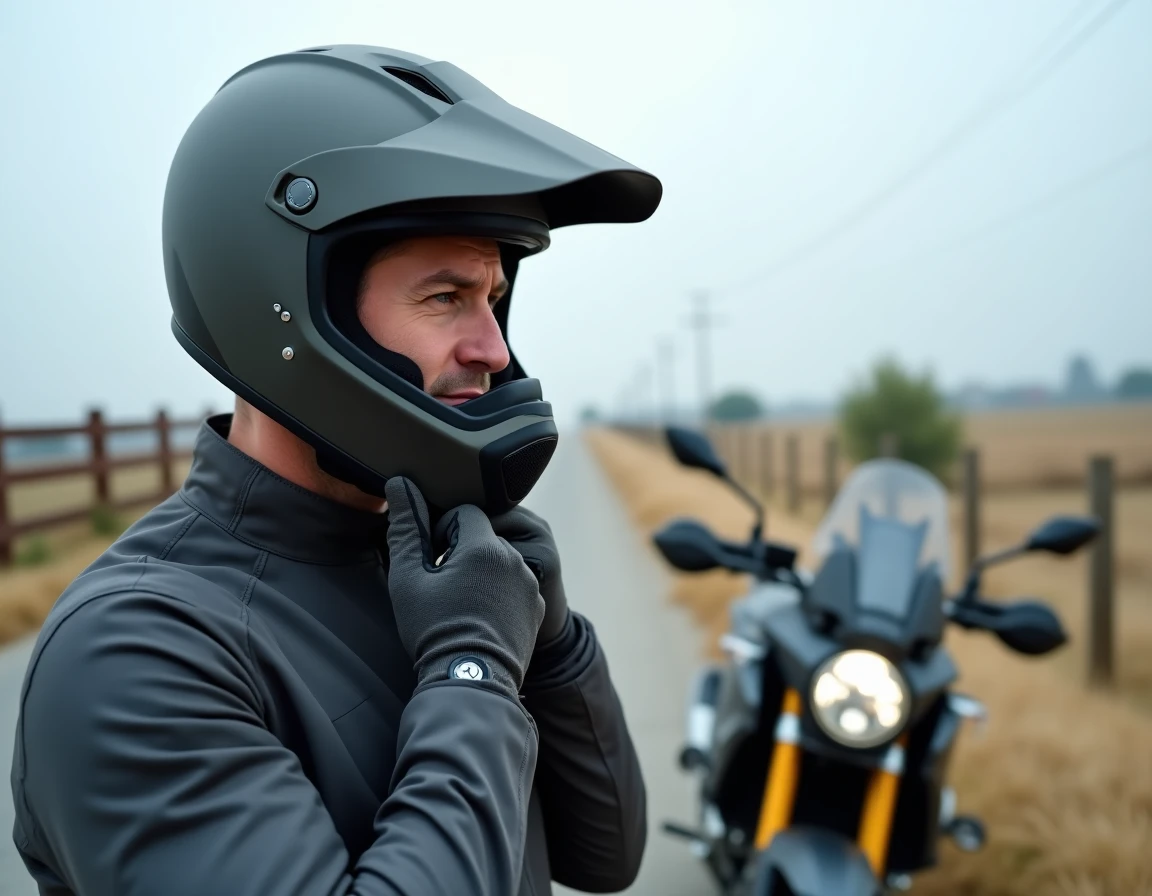
We often seek to increase volume when the real problem is ambient noise. A chin deflector or silicone skirt reduces turbulence entering from the bottom of the helmet. The signal-to-noise ratio mechanically improves, and the intercom no longer needs to compensate.
This type of accessory is inexpensive and can be attached without tools. For modular helmets, check that the deflector does not interfere with the opening mechanism. Combined with good speaker positioning and updated firmware, this is often the trio that transforms an average intercom into a comfortable setup for long rides.
Every intercom has room for improvement that its factory settings do not exploit. Before moving to a more expensive model, test these adjustments in order: physical positioning, software update, then fine-tuning. Hardware changes should only be a last resort.