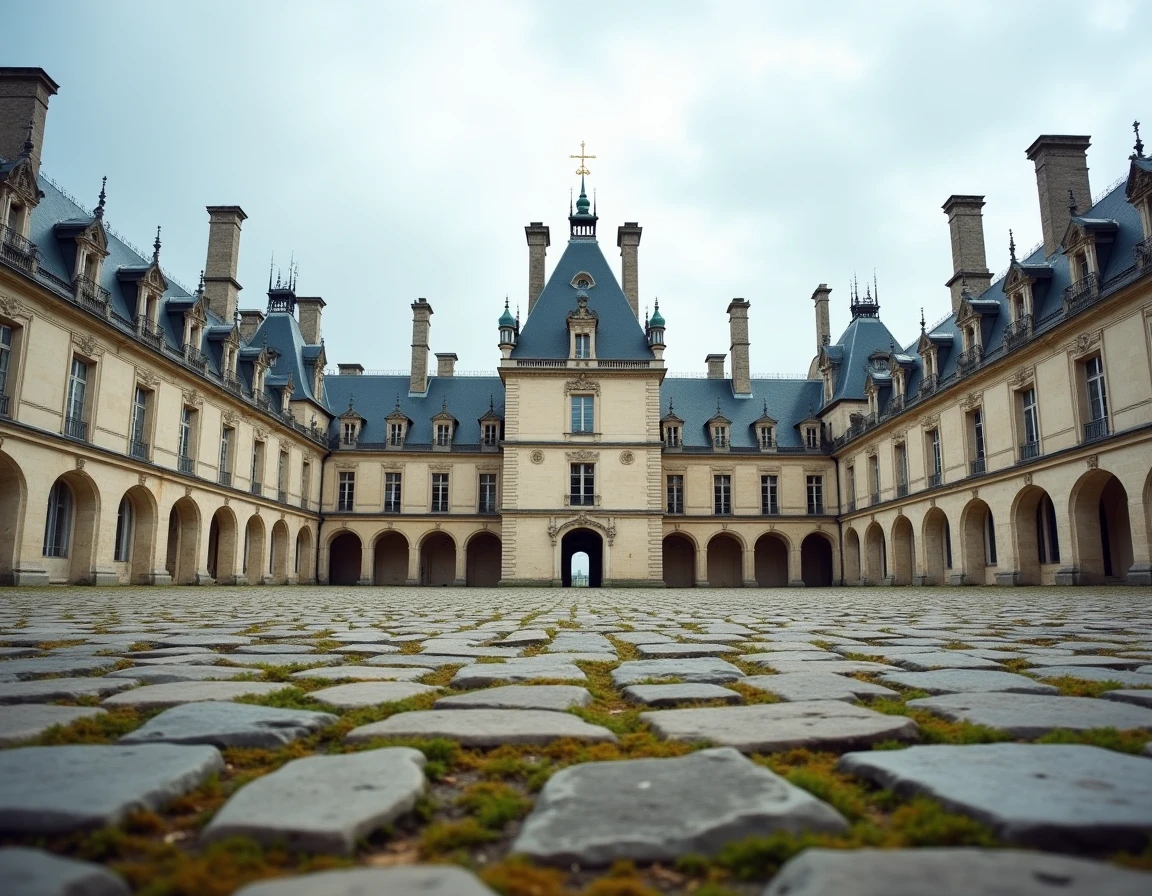
The Château de Chambord has no market price. An inalienable property of the French State, classified as a historic monument since 1840 and listed as a UNESCO World Heritage site, it escapes any logic of classic real estate valuation. Its value is measured differently: by the cost of its construction at the time, by the sums necessary for its conservation, and by the symbolic weight it represents in the national heritage.
Reconstruction cost of the Château de Chambord: a staggering estimate
Reproducing Chambord exactly today would require mobilizing rare trades: stone cutters, carpenters specialized in Renaissance assemblies, ornamental sculptors. On the Quora forum, several contributors suggest a baseline of at least 100 million euros for such a project, based on comparisons with the Château Louis XIV, built in the 2000s and sold for nearly 300 million euros.
This comparison has its limits. The Château Louis XIV used high-end contemporary materials, while Chambord would require handcrafted stonework over hundreds of meters of façade. The number of chimneys, turrets, and staircases to reproduce would blow any budget forecast. The exercise remains theoretical, but it gives an idea of the gap between the heritage value of such a building and what a private market could absorb.
To delve deeper into the value of the Château de Chambord from the perspective of its architectural features and its renown, the subject deserves a detour through the history of its very conception.
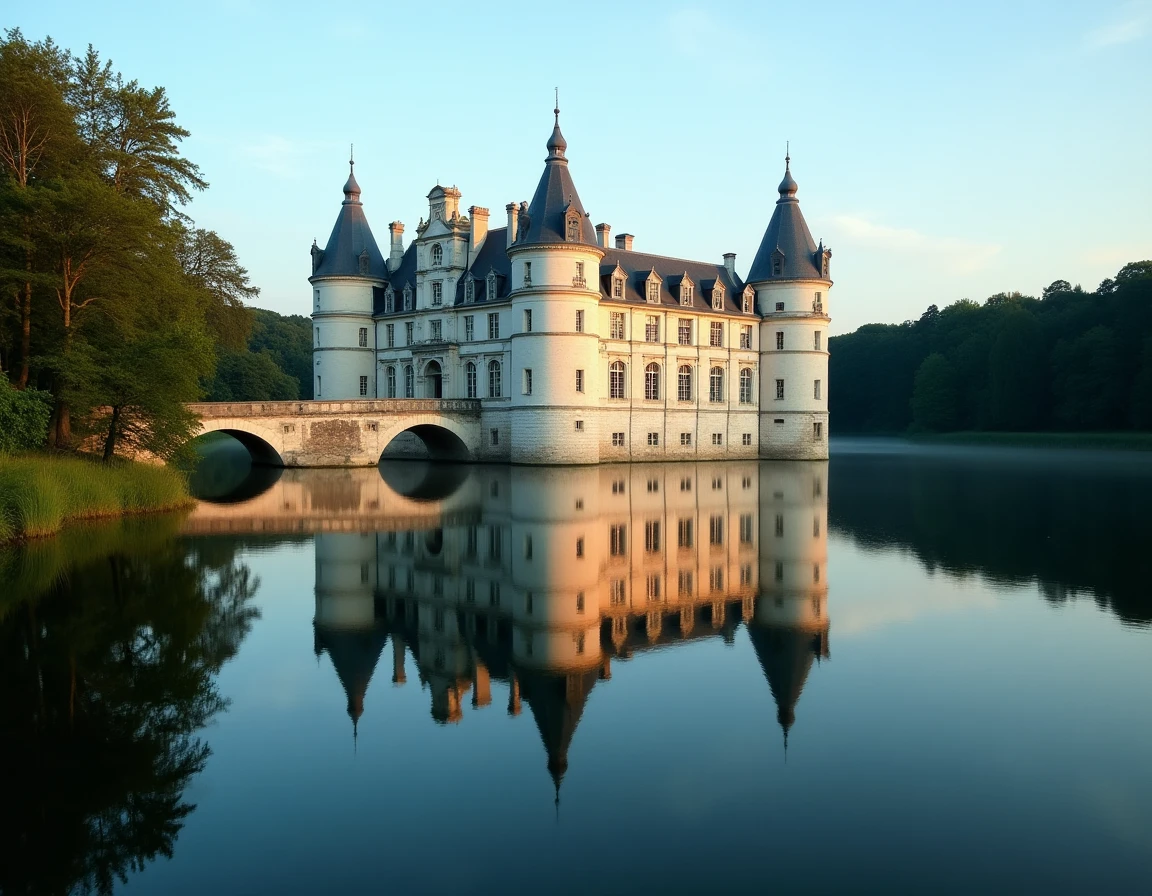
Restoration of Chambord: 27 million euros to save the François Ier wing
The value of a monument is also reflected in what it costs to maintain. The Renaissance wing known as the “François Ier wing” currently requires work estimated at around 27 million euros, a figure put forward by the management of the Chambord estate and reported by heritage media in 2025.
This amount concerns only one wing. The rest of the building, with its terraces, monumental framework, and famous double-spiral staircase, requires ongoing maintenance. A report from the Court of Auditors made public in November 2023 already described the health condition of certain parts of the castle as “concerning.”
An economic model under pressure
Chambord illustrates the limits of funding for major French heritage sites. Ticket sales and public subsidies are not enough to cover restoration needs of this magnitude. The estate must balance urgent interventions and ongoing maintenance, in a context where each year of delay increases the costs.
- The François Ier wing alone accounts for a need of 27 million euros, an amount greater than the annual operating budget of many French heritage sites.
- The Court of Auditors praised the development of the estate since 2010, while alerting to the lack of coordination with the supervising ministries.
- The tuffeau stones, emblematic material of the Loire castles, are deteriorating due to the combined effects of humidity and frost, making restoration campaigns recurrent.
Private patronage and public sovereignty: the Puy du Fou – Chambord controversy
In 2025, Puy du Fou, through its president Nicolas de Villiers, publicly proposed to finance all or part of the restoration of Chambord. The proposal was shared on social media and in the press. The Ministry of Culture rejected this project and the associated funds.
This refusal reveals a fundamental tension around the notion of heritage value. On one side, a documented and urgent financial need. On the other, the principle of cultural neutrality of the State and the desire not to link a national monument to the image of a private actor, even if it is itself rooted in historical heritage.
What this controversy says about Chambord
The controversy goes beyond the budgetary question. It raises the issue of who has the legitimacy to intervene on a property that no one owns in the commercial sense. Chambord belongs to the Nation. Accepting massive patronage from a private cultural operator could set a precedent for other national monuments.
The ministry invoked the coherence of its heritage policy. Proponents of patronage respond that without external funding, the stones will continue to deteriorate. The debate remains open, and it sheds light on a rarely addressed dimension: the value of Chambord is not only historical or architectural; it is also political.

Prestige and heritage of Chambord: why this castle remains unique
Chambord was envisioned by François Ier as an architectural manifesto. Built from 1519, it was never designed to be permanently inhabited. It was a hunting lodge and an instrument of royal prestige, intended to impress ambassadors and foreign sovereigns.
Its double-spiral staircase, often attributed to the influence of Leonardo da Vinci, remains one of the most studied architectural elements of the European Renaissance. The symmetry of the plan, the play of terraces that transform the roof into a belvedere, the enclosed forest surrounding the estate over several tens of thousands of hectares: everything was designed to produce an effect of astonishment.
This symbolic dimension weighs in the “value” of Chambord as much as the stone itself. The castle embodies the French royal power at its peak, and it is this historical charge that makes any attempt at monetary estimation both tempting and futile. A property that the State refuses to sell, that the market could not absorb, and whose restoration mobilizes millions of euros every decade does not fit into any known pricing structure.
The latest work on the François Ier wing will say a lot about France’s ability to finance the conservation of its most emblematic monuments on its own, or about the necessity to invent new models of heritage financing.