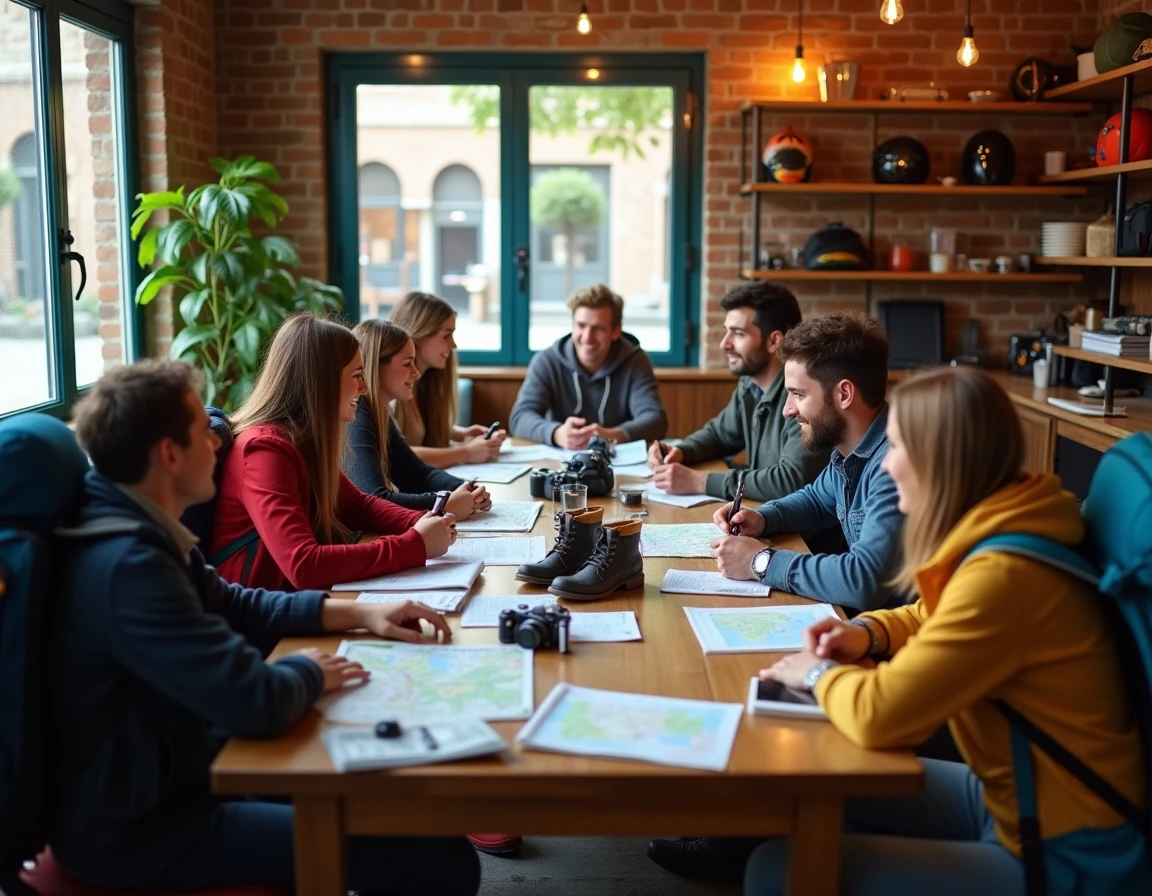
Ranking travel activities requires specific criteria. Here we have focused on the depth of the experience, favorable seasonality, and the balance between logistical accessibility and the intensity of the change of scenery. This top 10 list of must-do activities targets concrete practices, not generic destinations.
To delve deeper into each type of experience and filter by region or season, we recommend consulting the activities on the Quel Voyage website before finalizing an itinerary.
1. Hiking on marked trails at altitude
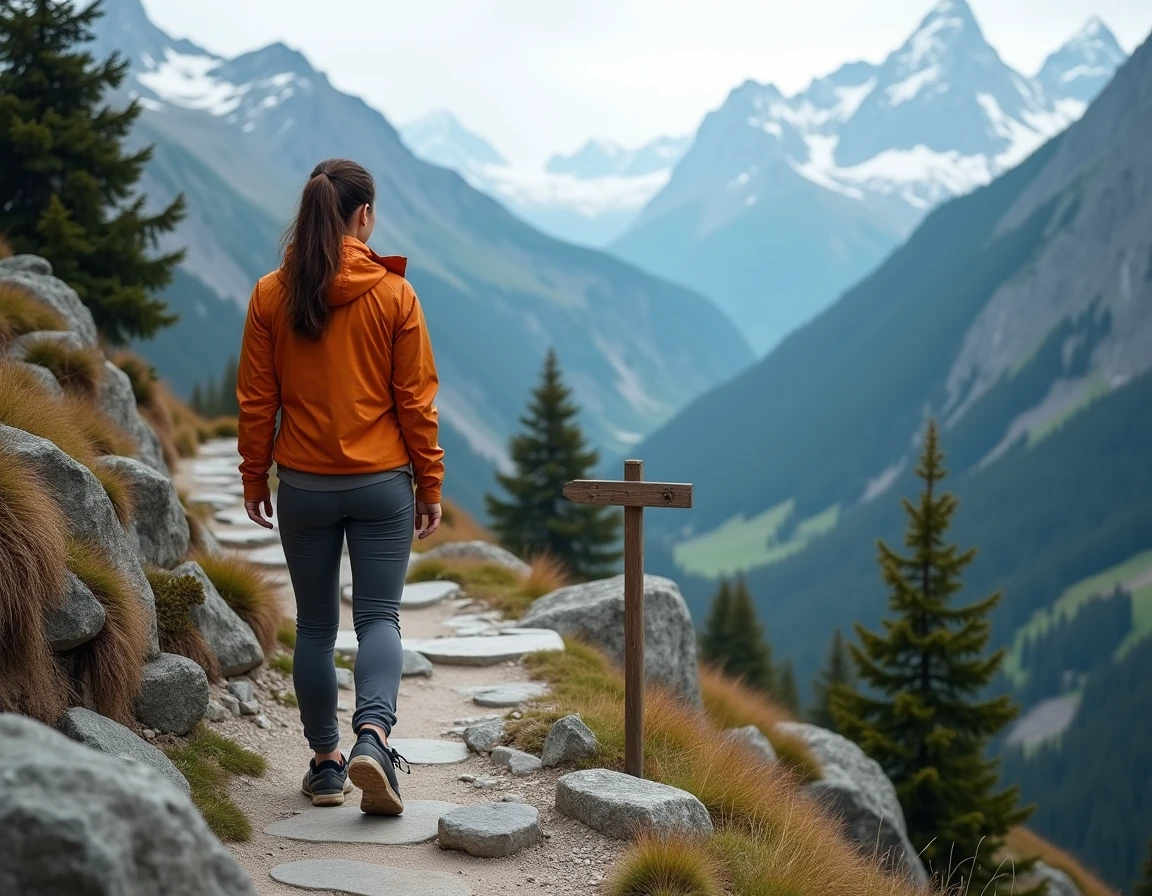
Altitude hiking remains the activity that concentrates the most technical parameters that are often poorly anticipated: cumulative elevation gain, acclimatization, weather window. A trek above the tree line requires specific cardio preparation and equipment suited for rapid thermal variations.
European mountain ranges (Mont-Blanc, Dolomites, Picos de Europa) offer marked trails by national federations with standardized signage. A marked trail is not an easy trail, and the distinction between T3 and T4 ratings radically changes the profile of the concerned audience.
We observe that micro-adventures accessible by train from major cities are gaining ground: a day of hiking less than two hours from a railway hub is replacing the classic city break for an increasing number of travelers.
2. Scuba diving on a reef or wreck
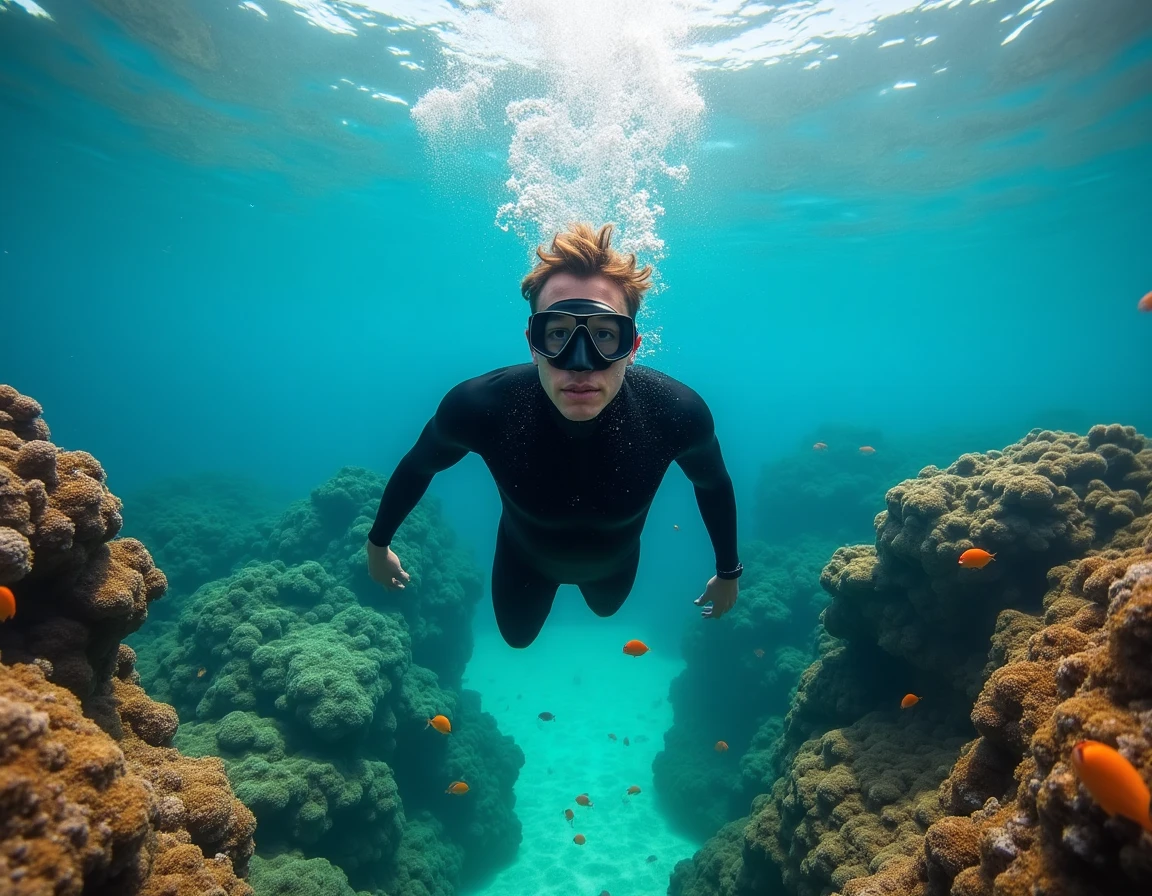
Scuba diving is distinguished by its technical entry barrier: mandatory certification (minimum level 1 or equivalent PADI Open Water), medical examination, mastery of depth stabilization. It is one of the few travel activities where a certification conditions access.
The quality of a dive spot depends as much on visibility as on biodiversity. A reef with high turbidity after the rainy season can disappoint even an experienced diver. Checking the seasonality of the site takes precedence over its general reputation.
3. Sea kayaking in coastal areas
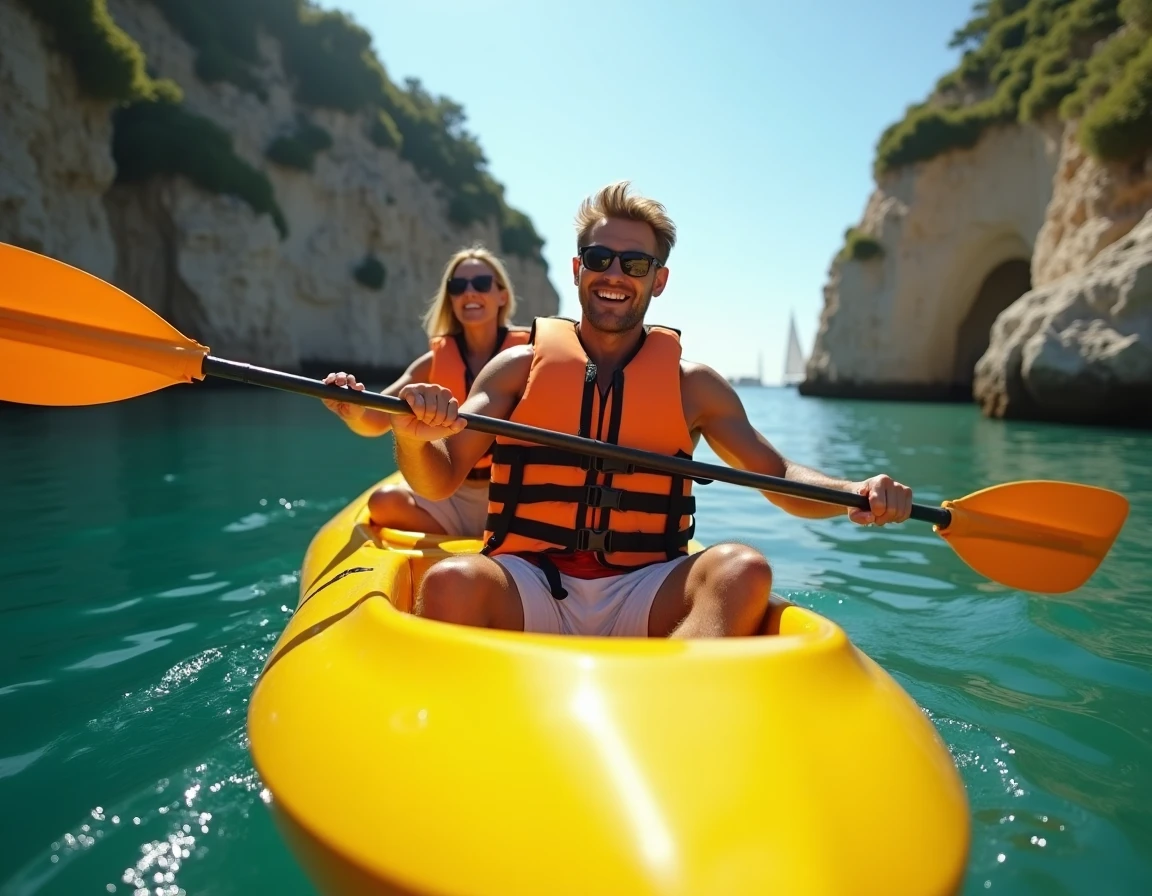
Sea kayaking combines moderate physical effort with access to stretches of coastline that are inaccessible by foot or motorboat. The rugged coasts (Brittany, Croatia, Norway) are particularly suited to this practice.
The activity does not require formal certification, but reading tidal currents and knowing the authorized landing zones are non-negotiable skills. We recommend prioritizing guided outings with certified instructors for initial coastal routes.
4. Immersive virtual reality tours of historical sites
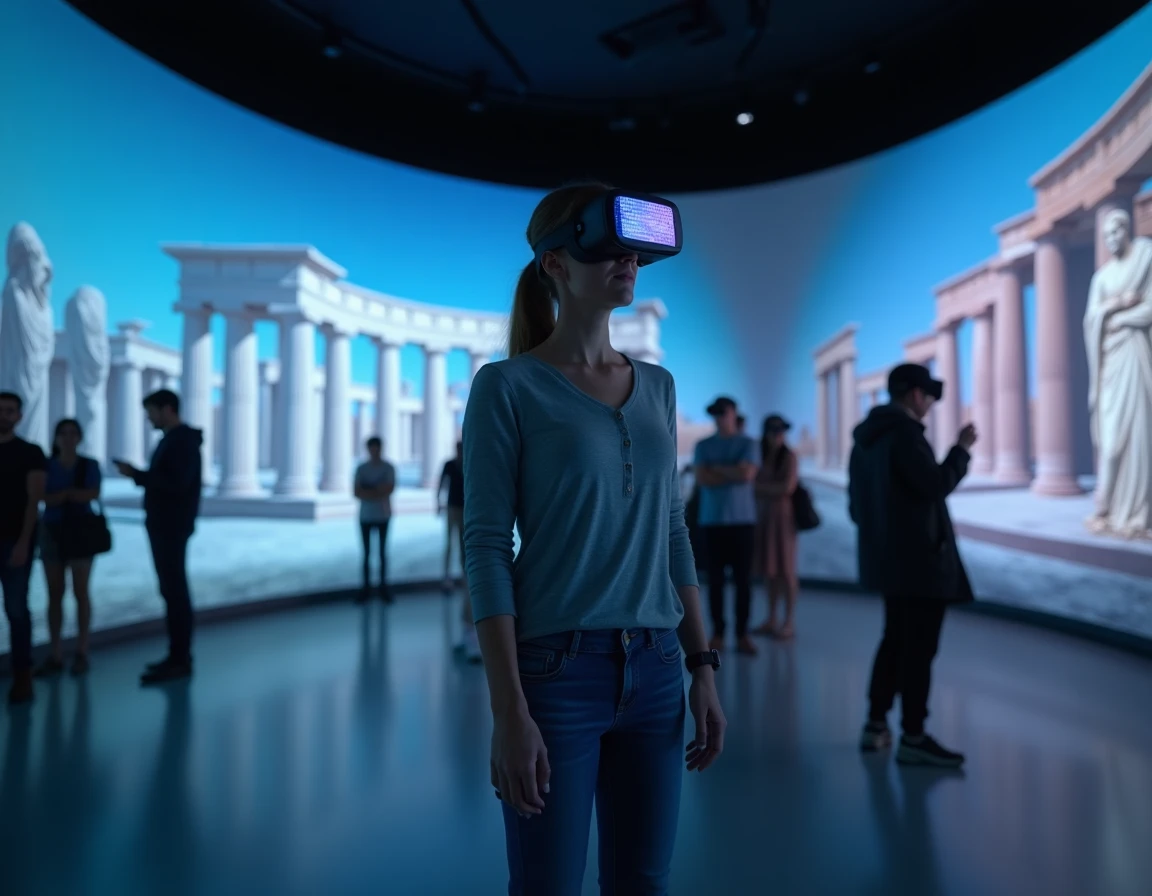
Since 2024, several major cities like Paris and Rome have offered immersive virtual reality experiences listed among their key activities. These devices recreate bygone eras on an architectural scale, with a precision that goes beyond mere tourist animation.
The interest lies in the complementarity with the physical visit: walking through the ruins of a Roman forum and then putting on a headset to see the same place as it existed in the 2nd century creates a layering effect that traditional museography does not allow.
5. Escape games and Explor Games outdoors
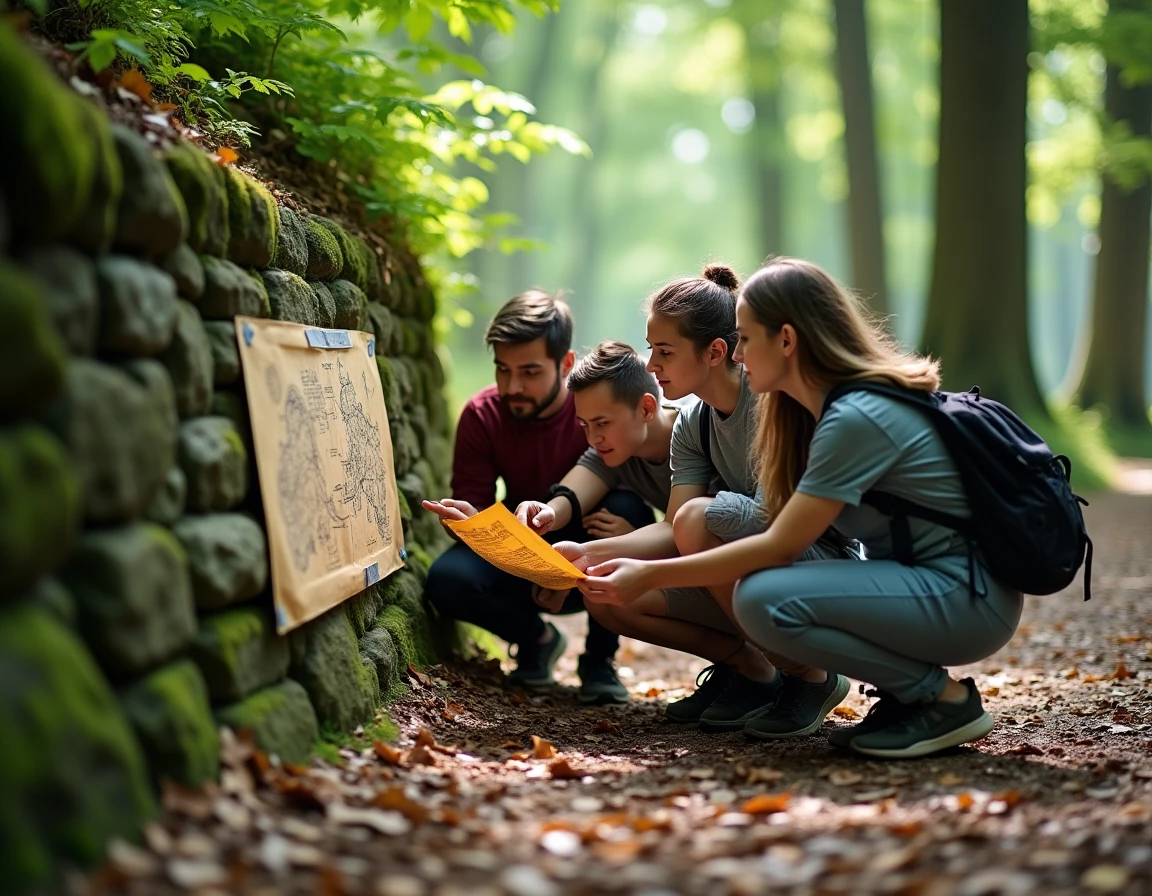
Treasure hunts have professionalized to the point of becoming a distinct category of tourist activity. Explor Games, in particular, use geolocated tablets on routes in forests or heritage sites, with scripted scenarios lasting several hours.
The hybrid format between hiking and investigative games appeals to family audiences and adults seeking something other than a passive guided tour. The rapid professionalization of this sector has improved the narrative quality and technical reliability of the devices.
6. Urban swimming in rivers or designated pools
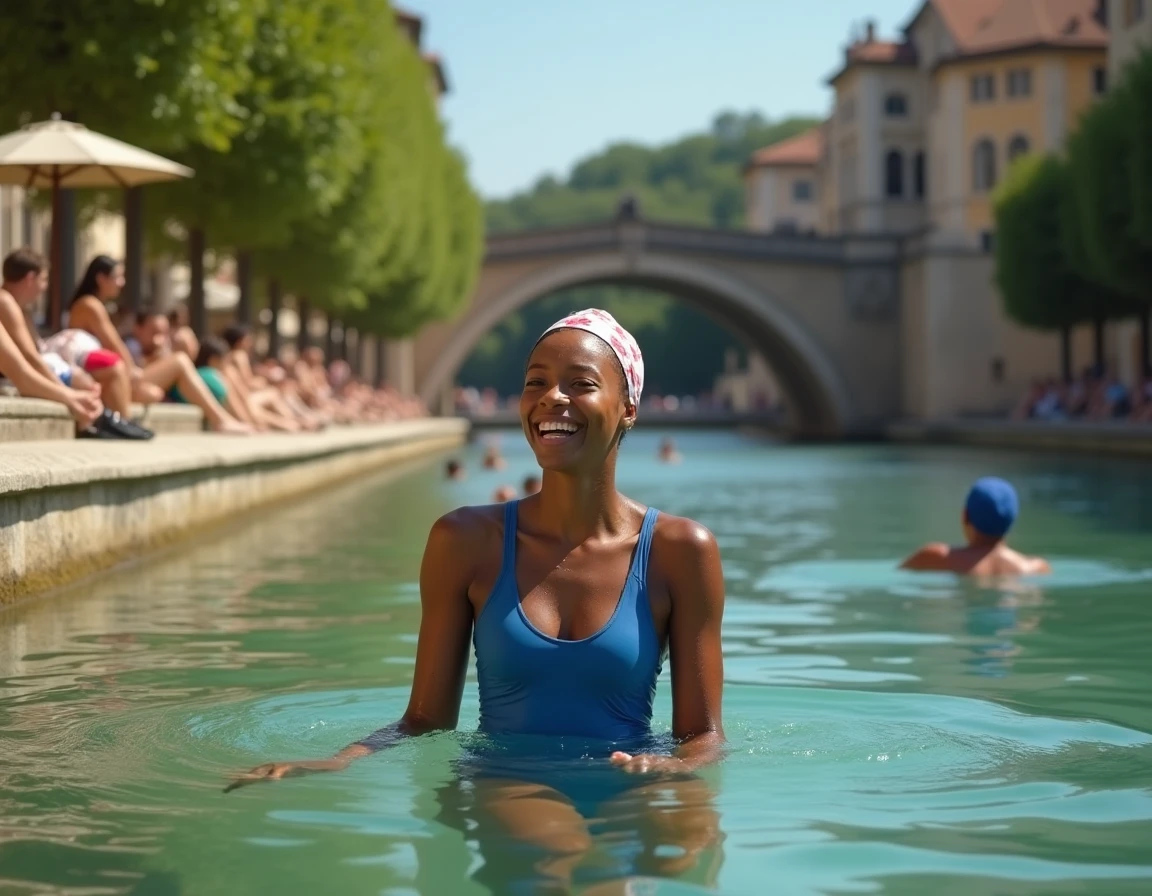
Copenhagen, Zurich, and now Paris have integrated urban swimming into their official tourist offerings. Supervised swimming areas, free or at a symbolic fee, open onto canals or river sections where water quality is monitored publicly.
This activity transforms the perception of a city: swimming in a river that one usually crosses by subway creates a radically different sensory relationship with the territory. The renaturation of riverbanks often accompanies these projects.
7. Slow travel stay by regional train
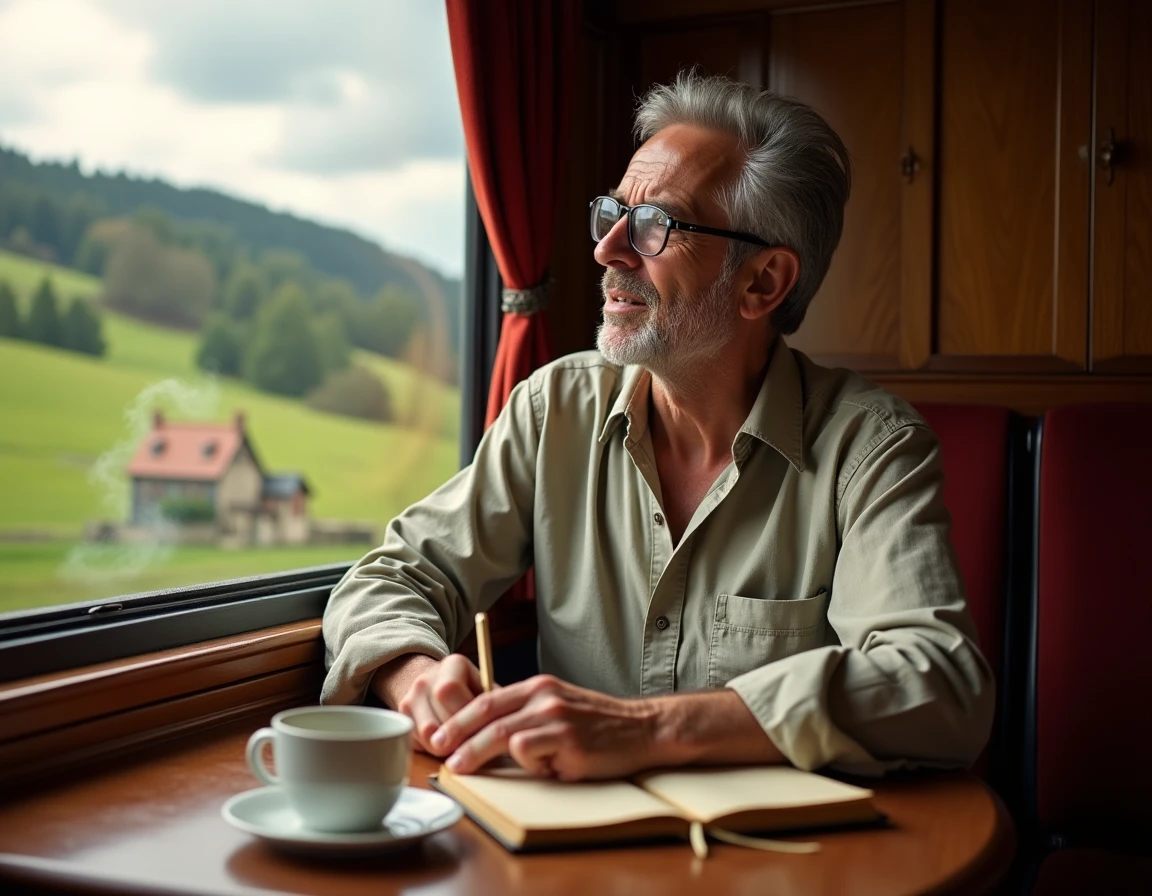
Slow travel structured around regional rail is no longer a militant stance: tourist offices now design ready-to-use itineraries accessible without a car, with accommodations and activities connected to train stations.
This format reduces logistical burdens and directs travelers to less crowded sites. A regional train journey through rural landscapes constitutes a contemplative activity that cannot be replaced by air travel or rental cars.
8. Photographic safari in a national park
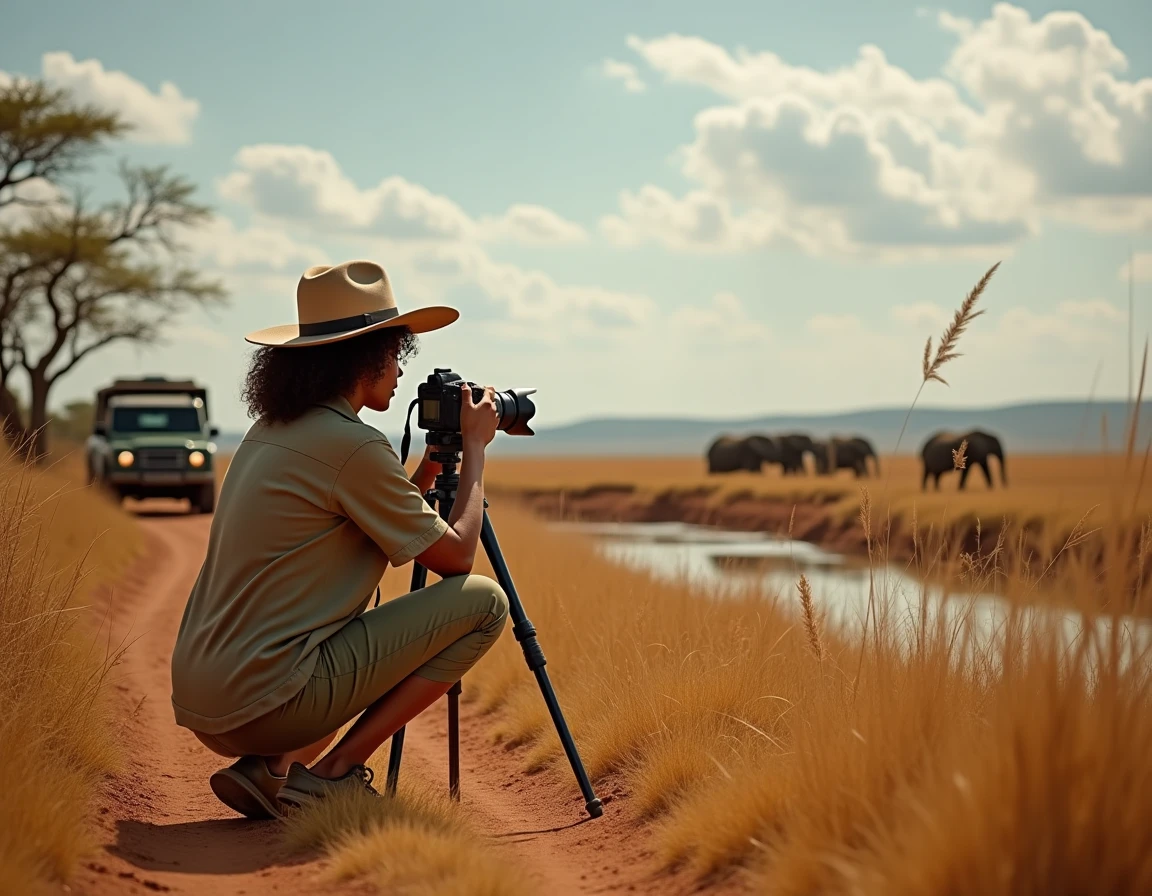
A photographic safari requires suitable optical equipment (stabilized telephoto lens, weatherproof camera) and knowledge of animal behavior. The time of day, migration season, or calving season influence the quality of observation.
- Favor parks that limit the number of vehicles per area to reduce animal stress and enhance the experience.
- Check if the park allows guided walking tours, which are more immersive than 4×4 vehicles.
- Opt for a certified naturalist guide rather than a driver without zoological training.
9. Local cooking class with morning market
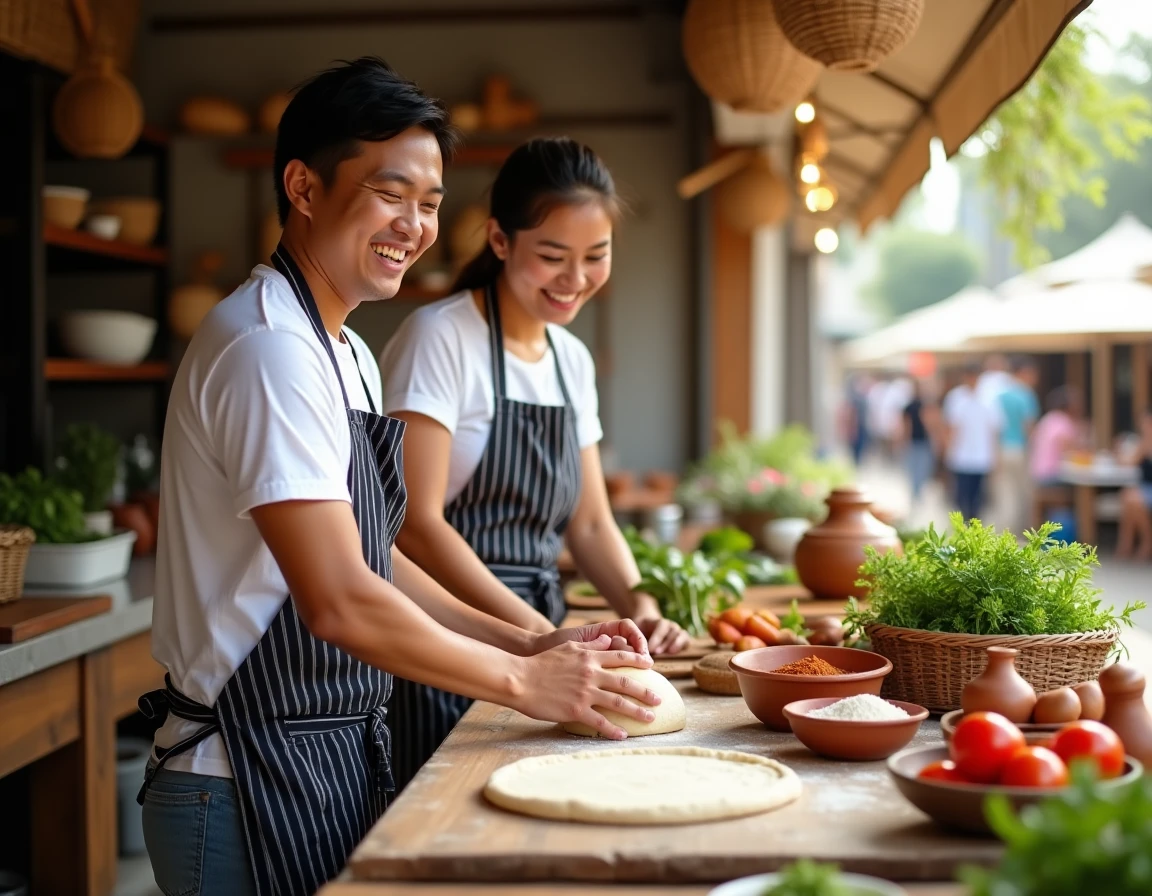
A cooking class rooted in the local supply chain (market, producer, fisherman) goes beyond a simple culinary workshop. The activity links gastronomic culture and local economy in a way that a restaurant cannot replicate.
The most comprehensive formats include selecting ingredients at the market with the chef, followed by preparation and a shared meal. The total duration is around half a day, making it a structuring activity within a stay.
10. Touring by bike on marked greenways
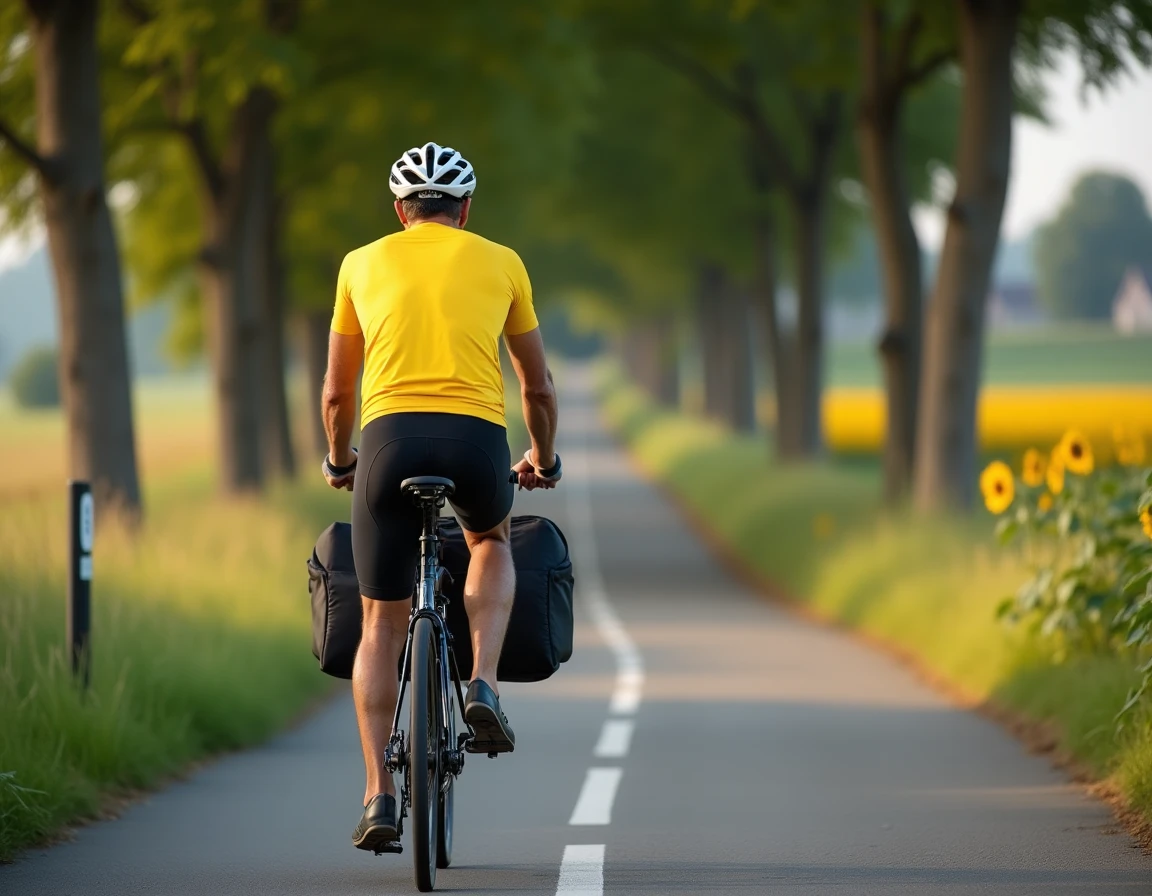
Biking on marked greenways combines autonomy, measured physical effort, and exploration of rural territories. The networks of greenways in France and Europe offer secure routes, often on converted former railway lines.
- Stages of forty to sixty kilometers per day are suitable for a non-sporty audience with a loaded bike.
- Luggage logistics (transferring bags between accommodations) is offered by specialized operators.
- Greenways connected to train stations allow for a return by train without mandatory loops.
Each of these activities relies on specific logistics and skills. The choice between them depends less on budget than on the type of physical and sensory engagement sought, and the season of travel.