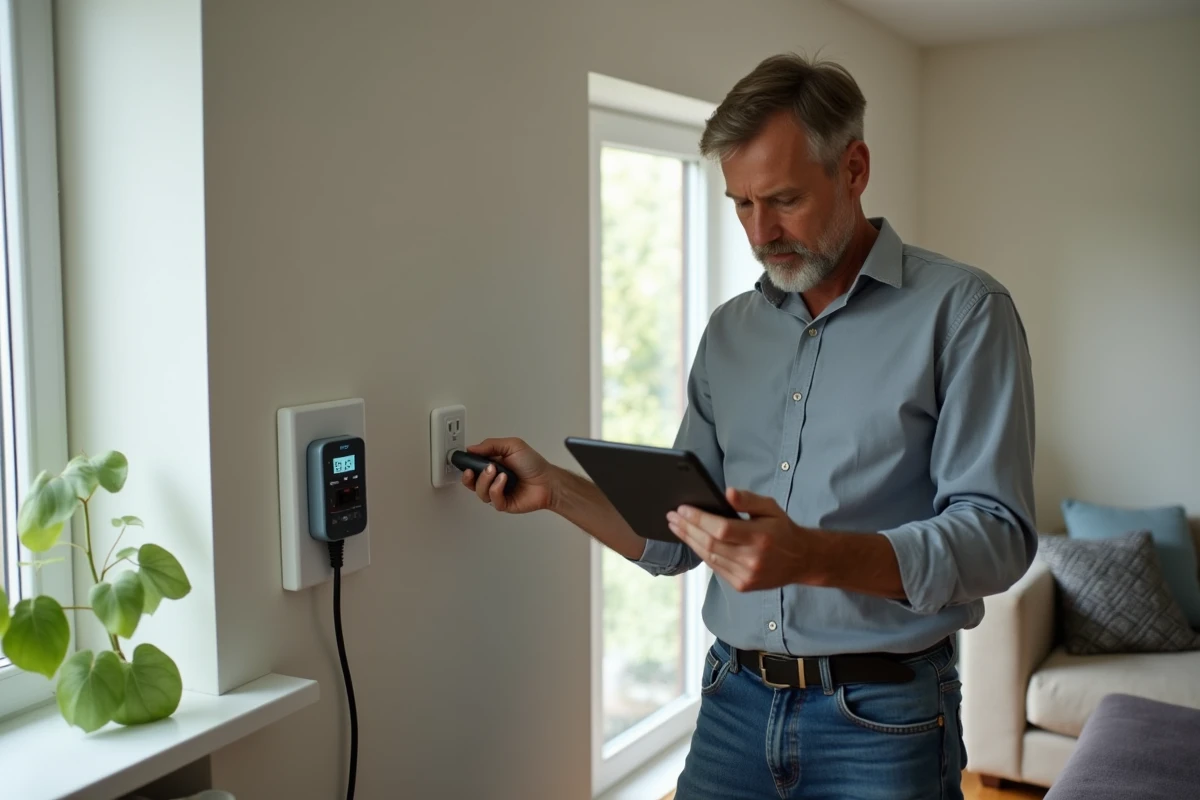
A standby device can account for up to 10% of a household’s electricity bill. The rated power indicated on the label does not always correspond to the actual consumption during daily use. Some equipment shows unexpected variations in consumption depending on the mode or frequency of use.
Accurate measurement of energy expenditure relies on sometimes confusing units and calculations that often elude the user. Differences between devices in the same category blur the lines: two laptops will not consume the same amount of watts in a day. To clarify things, one must tackle the numbers, equip themselves with reliable tools, and no longer settle for the general indications on the labels.
Understanding the Basics: Measurement Units and How Electrical Consumption Works
The energy consumption of an electronic device is generally expressed in kilowatt-hours (kWh). This figure reflects the energy actually used: a one-kilowatt device running for one hour equals 1 kWh. This is the unit that appears on every bill and allows for clear comparisons between household appliances.
To start, locate the rated power, in watts (W), on the device’s technical sheet. Then, multiply this value by the daily usage time, and divide the total by 1,000 to obtain a consumption in kWh. Let’s take a concrete example: a laptop rated at 100 W, used for 5 hours in a day, requires 0.5 kWh (100 × 5 / 1,000) on that same day. This is enough to grasp the real orders of magnitude behind everyday use.
But consumption also adapts to actual usage: standby, cycles, intensity, model. To objectify the differences, one can invest in a wattmeter that provides accurate measurements at the outlet, or consult a reliable resource like consumption estimation on Geek Nation. With these tools, it’s impossible to misidentify an energy-hungry device.
To calculate the annual impact, simply multiply the daily expenditure by the actual number of days of use. This method reveals hidden electricity eaters, helps anticipate the next bill, and puts real levers of action on the table for the household.
How to Measure and Calculate the Consumption of Your Devices Daily?
Determining how much electricity each device consumes requires a minimum of rigor, but the steps are clear. Start by reading the power of the device, then note how long it operates each day. A wireless router plugged in 24/7, a toaster left on after breakfast, or a television buzzing in the background: everything counts, and everything can be measured.
The rule: (Power in W × Hours of use) / 1,000 = Consumption in kWh. An electric tester, more precise than a simple estimate, allows for tracking the actual consumption day by day, taking into account standby modes and pauses.
To proceed methodically, these steps make your task clear:
- List the devices used each day: internet box, fridge, laptop, LED lamps.
- Record your readings over a week to obtain an average that reflects reality.
- Project yourself over the year by multiplying the obtained value by the number of days of use.
This vigilance, combined with tools like the Geek Nation calculator, gives control over each item of energy expenditure. Less waste, more predictability on the bill, and the feeling of regaining control over the environmental footprint of one’s household.

The Most Energy-Hungry Devices Under the Microscope and Tips to Control Their Impact on Your Bill
Some electrical devices stand out when it comes to energy consumption. Electric heating breaks all records, often consuming a large share of the energy used over twelve months. Just behind it, tumble dryers, dishwashers, and older fridges take the stage. Discreet but significant: the electric water heater, accounting for up to 15% of the bill according to Ademe, often without us suspecting it.
To keep these devices away from your wallet, some concrete habits make a difference: select low-temperature programs for laundry and dishes, precisely set the heating temperature, and ensure proper insulation. Defrost the fridge and freezer regularly: three millimeters of frost, and the appliance suddenly consumes nearly a third more. The last lever, and not the least: monitor the energy that slips away in continuous standby, especially in the multimedia branch.
To adopt control in daily life, here are actions that produce immediate effects:
- Maintain your appliances to ensure their efficiency over time.
- Consider replacing old models with equipment that has higher energy efficiency.
- Use power strips with switches to cut off power with a single gesture, without thinking.
Managing consumption at home means spotting excesses and acting without delay. One refines their usage, adjusts their settings, and puts old devices aside when necessary. Over the months, every kilowatt-hour saved breathes new life into the bill and lightens our impact on the planet. The challenge is not limited to a few euros: regaining control over one’s consumption is a choice for clarity and measured impact, at the heart of daily life.