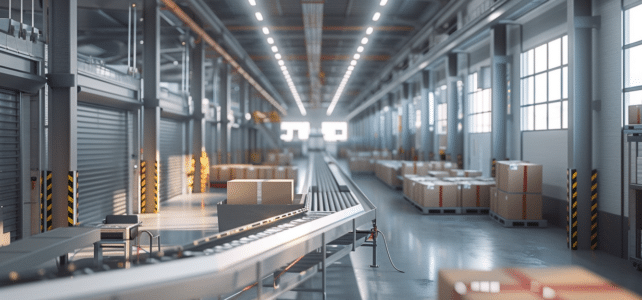
The digital age has revolutionized the logistics field, transforming consumer expectations and the stakes for service providers. Indeed, technological advancements such as automation, real-time tracking, and route optimization platforms have increased delivery efficiency. These advancements have a significant impact on delivery quality, a criterion that is now central to the customer experience. The ability of companies to integrate these new logistics solutions determines their competitiveness in the market by meeting the demand for faster, more reliable, and transparent deliveries.
The evolution of logistics services and their impact on delivery quality
In the wake of the logistics revolution, companies are adapting to a constantly changing environment. The performance of business logistics becomes a competitive lever, encompassing inventory management, product transportation, and after-sales service, including advisory service. The supply chain revolves around a constant optimization of goods flows, seeking to reduce costs while improving delivery service. This race for efficiency reshapes the contours of the logistics sector, highlighting the need for delivery management that meets the expectations of speed and quality.
The rise of last-mile logistics illustrates this dynamic. Logistics transport companies scrutinize every link in the supply chain to identify bottlenecks that could cause delivery delays. Sustainability also enters this debate, as supply chain actors are increasingly pressured to reduce their carbon footprint without compromising service quality. Companies must thus juggle environmental imperatives and delivery time requirements, which necessitates sophisticated and responsive logistics management.
The digitization of processes proves to be a relevant response to contemporary challenges. The Internet of Things (IoT) enables seamless traceability and more agile management of goods flows, facilitating informed decision-making. Customer satisfaction, crucial for loyalty and, consequently, for the sustainability of the business, now depends on the ability to integrate technological innovations at the heart of logistics operations. Procurement management and delivery management are part of an optimization of logistics processes approach, where service quality becomes the barometer of success.
Technologies and innovations at the heart of improving delivery services
Customer satisfaction, the cornerstone of loyalty and business sustainability, is closely tied to an efficient logistics service. In this perspective, emerging technologies, such as the Internet of Things (IoT), are driving a profound transformation in logistics management. These innovations allow for better responsiveness to delivery constraints and adaptation to the growing demands of customers. Real-time traceability, ensured by IoT devices, guarantees increased transparency and more precise delivery management by the mile, thus addressing the challenges of optimizing logistics processes.
As part of a sustainable development approach, the impact of technological innovations on reducing carbon footprint proves to be crucial. Autonomous delivery vehicles, intelligent route management systems, and eco-designed packaging illustrate companies’ commitment to greener logistics. These advancements, while optimizing costs and timelines, contribute to a significant improvement in the quality of delivery services, thus establishing a balance between economic performance and environmental responsibility.
Informed decision-making, essential for effective logistics operations management, also benefits from the contributions of new technologies. Predictive analytics, relying on the processing of large amounts of data (big data), allows for anticipating market trends and adjusting inventory and procurement management accordingly. The integration of these technological tools provides unprecedented agility to companies, enabling them to offer a delivery service that meets their customers’ expectations while consolidating their market position.