
In search of adventure in the heart of the wild, understanding animal behaviors becomes a crucial component of your safety and experience. Wildlife, with its codes and instincts, can be as unpredictable as it is enriching to observe. Mastering the signs of stress in an animal, understanding territorial mechanisms, and the specific interactions between species are essential skills for any explorer. This knowledge not only helps to avoid dangerous confrontations but also fosters respectful encounters with the inhabitants of these untamed spaces.
Understanding Animal Behavior in the Wild
Deciphering wild animal behavior is a complex and subtle task. Imprinting, in particular, is a behavioral disorder where a wild animal loses its natural fear of humans, often as a result of repeated contact with them. Such a situation can become a risk not only for humans but also for the animal itself, which may then venture too close to inhabited areas and put its life in danger. The Erminea Wildlife Rehabilitation Center, aware of this issue, works to prevent imprinting by minimizing interactions between animals and caregivers during the rehabilitation period.
The teams at the Erminea Wildlife Rehabilitation Center treat a wide range of species, with a balanced distribution between mammals and birds. These animals, often victims of human activities, receive care tailored to their condition, whether it involves antibiotics for hedgehogs or surgeries for birds. The healing and release of these living beings greatly depend on the expertise of the caregiving teams and the resources available, as the success rate of treatments ranges between 50 and 60%. This percentage reflects the fragility of wildlife in the face of human impact, but also the unwavering commitment of conservationists.
These rehabilitation centers, such as the Erminea Wildlife Rehabilitation Center, rely on varied funding sources, including donations from members and state grants. These contributions are essential for maintaining care activities and rehabilitation programs. They also help combat the harmful effects of imprinting and ensure the survival of species that, without human intervention, could disappear. The preservation of these living beings, some of which could be the ‘My Pet’ of nature, calls into question our collective responsibility towards the ecosystems we share.
Survival Strategies Against Different Animal Species
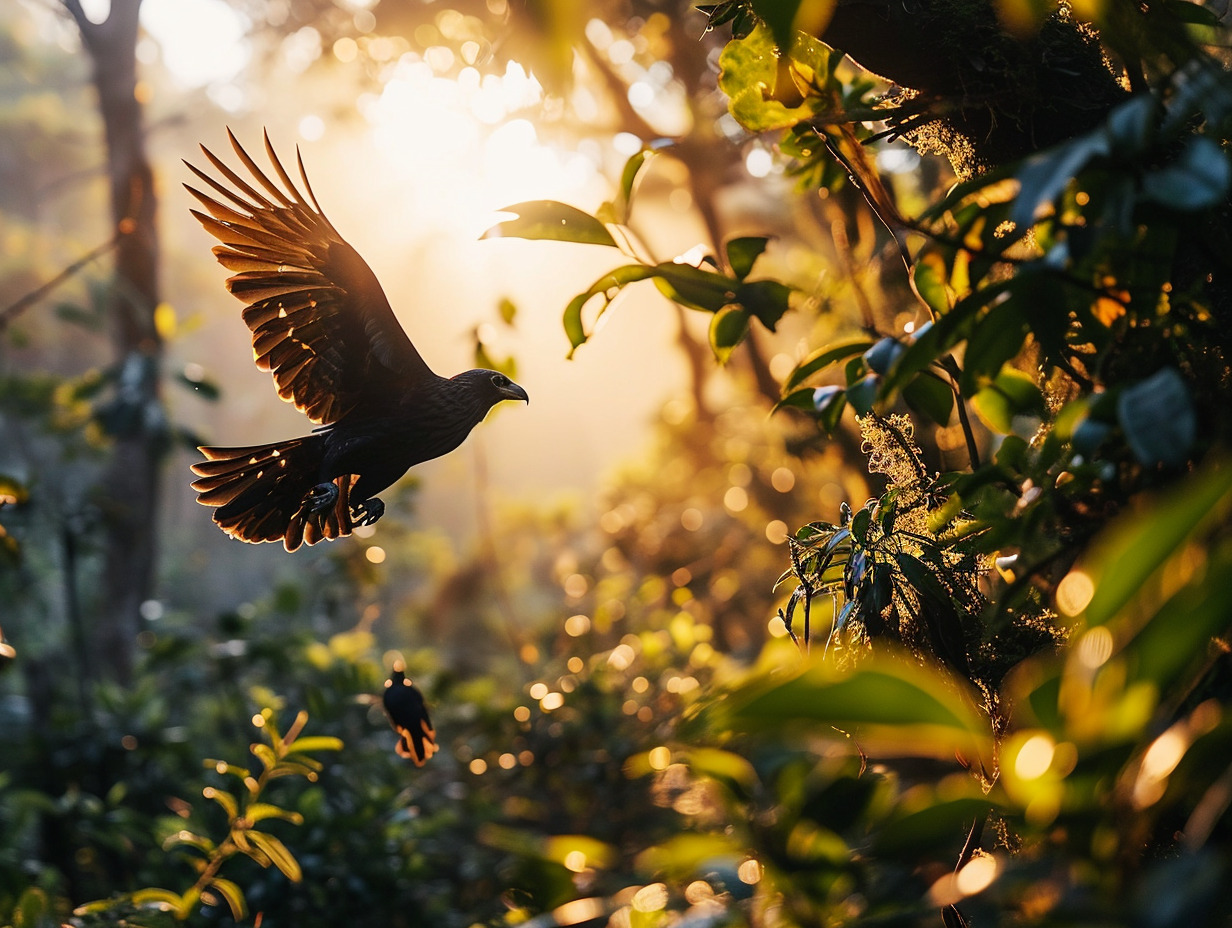
In a survival context in nature, knowledge of techniques suitable for interacting with wildlife becomes crucial. Survival strategies vary significantly depending on the species encountered. For mammals, be sure to maintain a safe distance, avoid sudden movements, and be discreet. In contrast, when facing certain birds, particularly raptors, caution is required: avoid making eye contact and approaching their nests, lest you provoke an aggressive reaction.
At the Erminea Wildlife Rehabilitation Center, injured animals, often due to human activities, receive specific care: mammals, such as hedgehogs, benefit from antibiotic treatments, while birds may require surgical interventions. These actions demonstrate that, far beyond individual survival, there is a collective responsibility towards wild animals, whose health and well-being are directly impacted by our behaviors.
The very existence of centers like Erminea relies on an economy of solidarity, where public and private funding plays a predominant role. Donations from members and state grants are the financial pillars that not only provide quality care but also ensure the sustainability of rehabilitation programs. These funds are, in essence, a reflection of a society that chooses to invest in the harmonious coexistence between humans and animals.