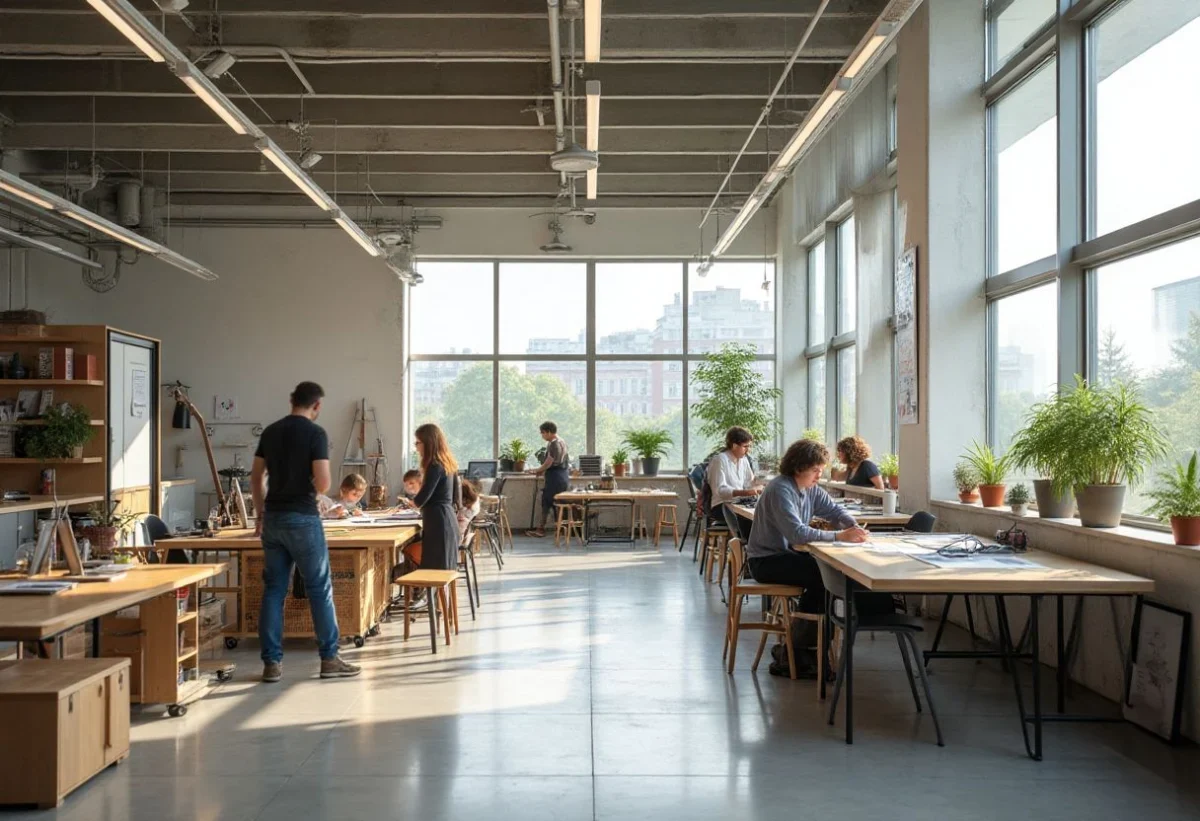
Art schools are sanctuaries where human creativity takes flight, where ideas transform into tangible works. Aspiring artists find in these institutions a fertile ground for the flourishing of their talent, a place where potential is nurtured and shaped. In our modern world, where artistic expression reaches new heights thanks to innovative technologies and bold experimentation, art schools play an essential role.
History and evolution of art schools
Art schools have a rich history, marked by profound transformations and evolutions that reflect major artistic movements.
Initially, art academies were dedicated to the teaching of fine arts, such as painting and sculpture. These institutions, often supported by patrons or the State, served as crucibles for emerging talents. The methods were rigid, and the emphasis was on technical mastery and imitation of the masters.
Over time, the adoption of new styles and techniques transformed these schools. The arrival of modernism notably shook up traditions, encouraging a freer and more personal approach to creation. Schools became places of experimentation and questioning of established norms.
Technological and digital evolutions have also played a crucial role. Today, art schools integrate disciplines such as digital design, video, and animation, thus reflecting an openness to new forms of expression.
The different curricula offered
The range of disciplines taught in an art school is vast. Each curriculum offers unique perspectives for aspiring artists.
- Fine arts: This traditional curriculum focuses on painting, sculpture, and drawing. It emphasizes technique and art history.
- Graphic design: Students learn to communicate visually through typography, imagery, and digital media.
- Fashion design: In this pathway, the creation of clothing and accessories is highlighted. Students explore trends, fabrics, and sewing techniques.
- Digital media: This curriculum paves the way for modern disciplines such as animation, video, and sound, preparing students for the digital industry.
Particularities of artistic training
Artistic training is distinguished by unique pedagogical approaches that foster innovation and collaboration.
Art schools promote learning through practice, where students spend most of their time creating in workshops and studios. This total immersion allows for intense personal development.
Exchanges with resident artists are frequent, offering students the opportunity to engage in a dynamic of exchange and reflection. These encounters enrich the academic journey and inspire new creative paths.
Finally, collaborative projects are encouraged to prepare students to work in teams. Collaboration is an essential skill in the professional art world, where multidisciplinary projects are increasingly common.
The challenges and opportunities for graduates
Entering the professional world after attending an art school presents both significant challenges and exciting opportunities.
Graduates of art schools often have to navigate a competitive and constantly evolving job market. Traditional art professions, such as gallery owner or museum curator, now coexist with emerging professions like UX/UI designer or art director in the digital sector.
Opportunities are vast for those who can adapt. The ability to innovate while mastering new technologies is a significant asset. Many manage to combine their passion for art with sectors such as marketing, advertising, or cinema.
With versatile skills and a unique artistic vision, graduates can carve their own path, leveraging their creativity to influence and transform various industries.