
Some borders no longer require a visa for stays of less than 90 days, including for countries traditionally perceived as difficult to access. Yet, renowned safe destinations now appear on enhanced vigilance lists.
Global demand for responsible stays is growing faster than that for traditional tours. Travel platforms have recorded an increase of over 40% in searches related to ecotourism and local initiatives over the past two years.
Changing Perspective: Why Rethink Your Way of Traveling?
The avalanche of travelers that swallows the same capitals, the same beaches, the same panoramas every year leaves behind a bitter taste. This great movement of crowds does not simply erase borders; it also erases what makes places unique. For those seeking something different, there is a way to travel where encounters take on their full meaning. This is referred to as alternative tourism and sustainable tourism: slowing down, favoring train or bike journeys, and being willing to linger. Slow travel is not just a stance; it is a complete experience. You stop, observe, and listen to what makes the heart of a territory beat.
Adopting a responsible approach also means choosing respect, for nature, of course, but also for the people who live there year-round. The logic is to support the local economy through small gestures that change everything:
- Consume locally, from producers or small merchants
- Prefer accommodation with locals for authentic exchanges
- Choose to support artisans and their know-how
In this context, human encounters are never just a backdrop. They become the very objective of the journey. Ethical and solidarity travel is essential for those who truly want to understand, build connections, and leave a positive footprint rather than just a fleeting memory.
Adopting this approach also means protecting ecosystems and encouraging meaningful local initiatives. Ecotourism or voluntourism, when ethical, are real levers for action. You can reduce your carbon footprint, opt for rural tourism, and multiply immersive experiences; every detail counts. To explore these choices, learn more about Voyage 2 Rêve opens concrete paths to step off the beaten track and choose differently.
Which Dream Destinations to Favor for an Authentic Experience?
A dream destination is no longer measured by the postcard or the prestige of a classified site. What attracts today is the possibility of immersing oneself, opening up to a living culture, to a landscape that does not deceive. For this, it is better to favor places where nature remains sovereign, where local culture continues to express itself, far from global uniformity. Iceland, Lapland, Jordan, or Greece allow for such discoveries. In Guadeloupe or Reunion, one discovers genuine hospitality, traditions that are still told at street corners or in markets.
You can also choose less expected destinations, where the experience takes on its full meaning. A stay in Bosnia-Herzegovina or Togo is built around real encounters, exchanges, and sharing. Here, the traveler does not just watch: they learn, participate, and engage. A craft workshop, a shared meal, a walk narrated by a local resident—this is what makes the difference.
| Destination | Specificity |
|---|---|
| French Polynesia | Preserved nature, ancestral traditions |
| Vietnam | Rice fields, local markets, hospitality |
| Scotland | Wild lands, Celtic culture |
| Morocco | Medinas, craftsmanship, Berber hospitality |
It is these human experiences that give travel its flavor: shared moments, untouched landscapes, a way to relearn the long passage of time. Choosing your destination then becomes a stance, a commitment to a way of traveling that emphasizes respect and sustainability.
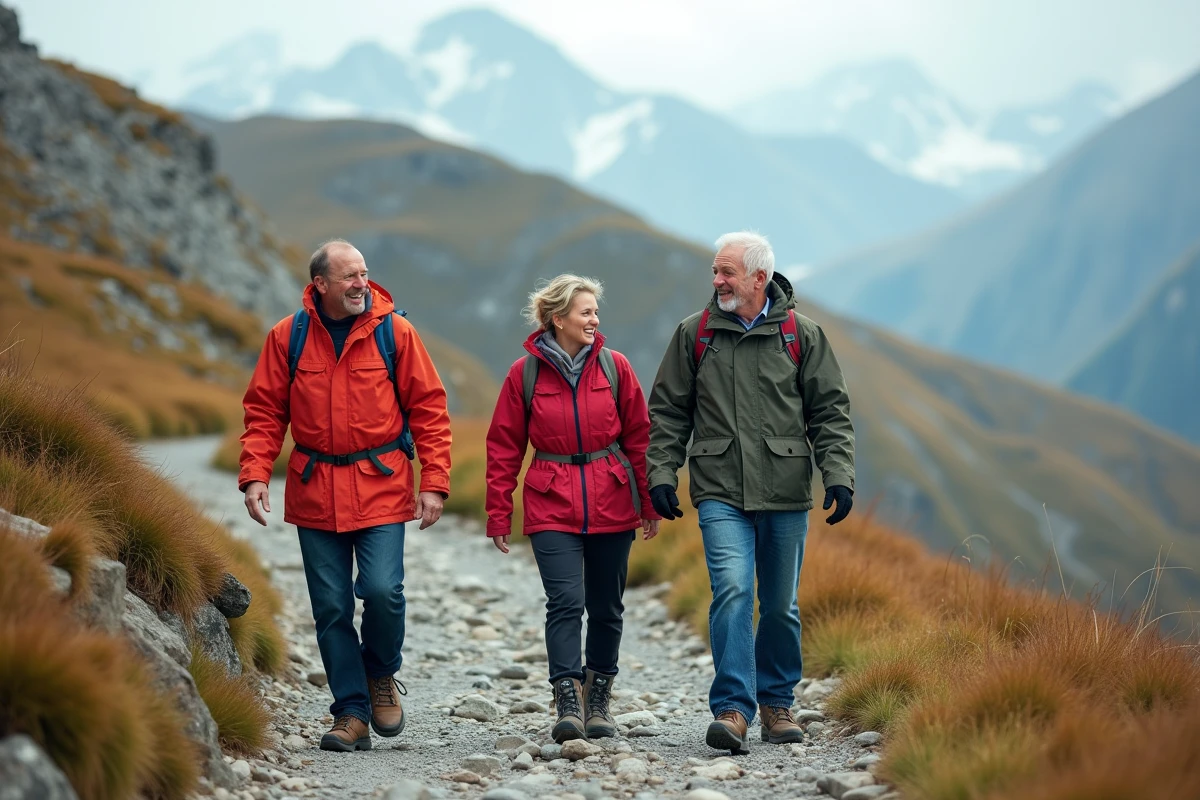
Tips and Inspirations for Traveling Differently, Off the Beaten Path
Step away from pre-planned routes that turn travel into parades. There are other ways to move: trains reveal inaccessible landscapes, bikes impose a pause, buses or boats invite a change of pace. For those who want to see the sea differently, sailing offers a more respectful approach to the coastline. This choice limits the carbon footprint and makes each journey a moment in itself.
There are several forms of accommodation that promote local anchoring and encounters:
- Opt for an eco-lodge or a guesthouse committed to environmental issues
- Spend the night with locals to experience the daily life of the region
- Engage in local life by exploring markets, crafts, and traditional cuisine
Responsible travel also thrives on personal commitment. Getting involved in ecotourism, participating in an ethical voluntourism project, or integrating into the daily life of a local community: each experience is an opportunity to act. To go further, some initiatives offer to offset CO₂ emissions. Tree-Nation, for example, implements concrete actions for reforestation. It is not about revolutionizing everything but about evolving habits, step by step.
Here are some reflexes to adopt to give meaning to your travels:
- Favor short circuits that boost the local economy
- Take care of the environment by limiting waste and consumption
- Meet the locals and show interest in their stories
Traveling differently is choosing curiosity, exchange, and attention to every detail. An invitation to leave a footprint that does not fade with the first gust of wind, but that takes root in the shared memory of places and people.